WHY DOES YOUR BUSINESS NEED CROSS-PLATFORM APP DEVELOPMENT?
1. Reach Multiple Platforms Deliver your application across Android and iOS without maintaining completely separate development projects.
2. Maintain Consistent Experiences A shared development approach helps keep the application’s core features and user experience aligned across platforms.
3. Optimize Development Resources Cross-platform development can reduce duplicated development work when the project is suitable for a shared codebase.
4. Expand Your Mobile Reach Give customers on different devices access to the same essential services, products, and features.
CROSS-PLATFORM-FOLIO
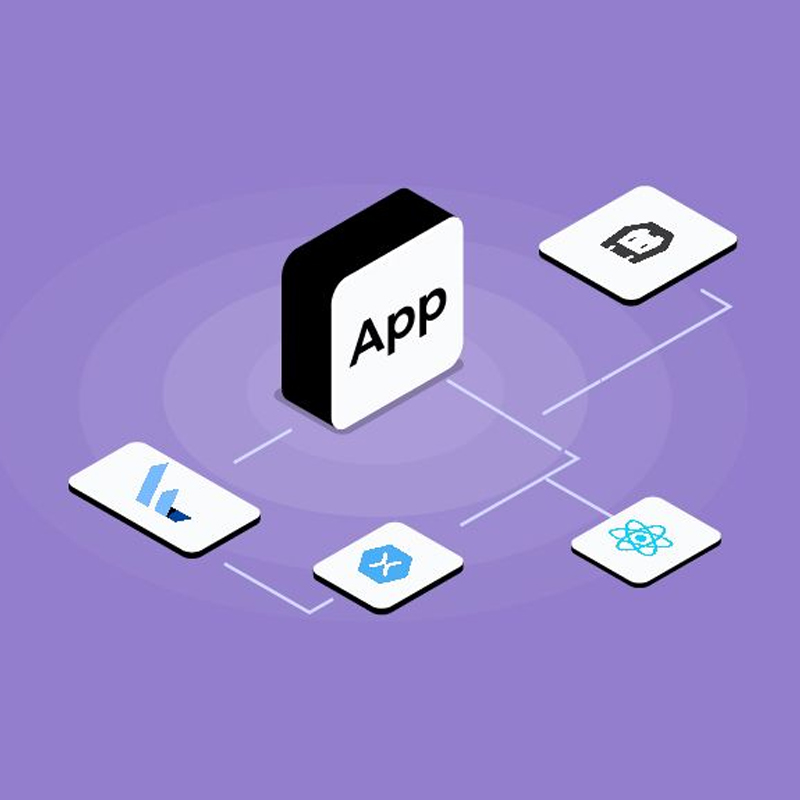
Cross-platform applications give businesses a practical way to serve users across different mobile ecosystems through a unified development approach. Businesses that have adopted cross-platform solutions benefit from broader device reach, consistent functionality, streamlined development, and easier feature management and your business can use the same approach when reaching both Android and iOS audiences.
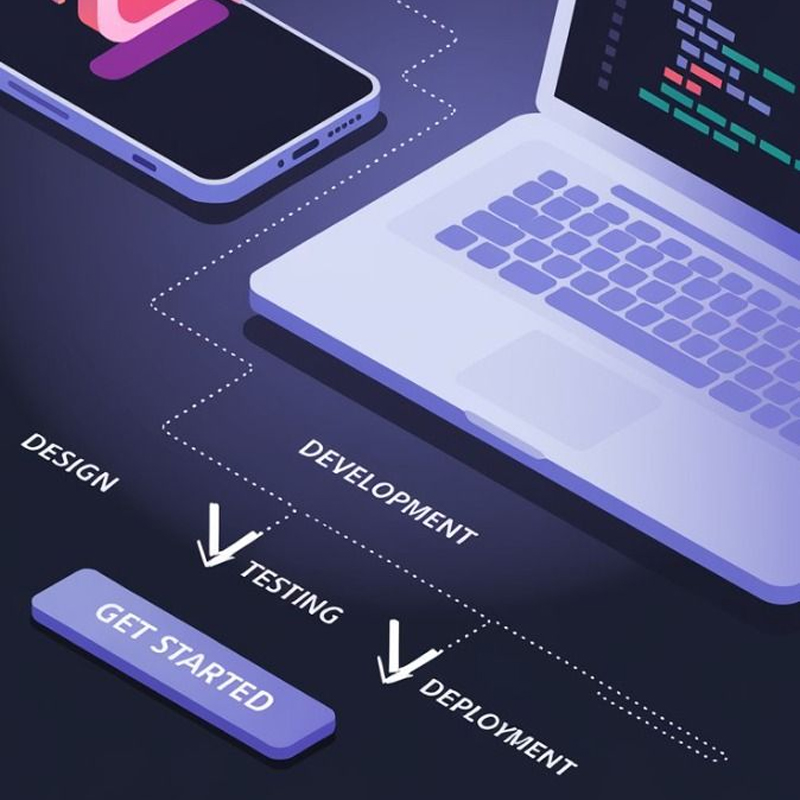
We begin by defining the application’s features, target platforms, user requirements, and technical specifications. The shared application structure is then developed and adapted for the relevant devices, followed by functionality testing, platform-specific refinement, and deployment preparation.

Cross-platform app development involves creating a mobile application that can operate across multiple platforms, such as Android and iOS, using a shared development approach where appropriate.
2. What are the benefits of a cross-platform mobile app?
3. Can a cross-platform app have platform-specific features?
Yes. Depending on the framework and project requirements, platform-specific functionality can be implemented when certain Android or iOS capabilities require separate handling.
4. Is cross-platform development suitable for every mobile application?
Not necessarily. The best approach depends on the application’s features, performance requirements, device capabilities, integrations, target users, and long-term development plans.