
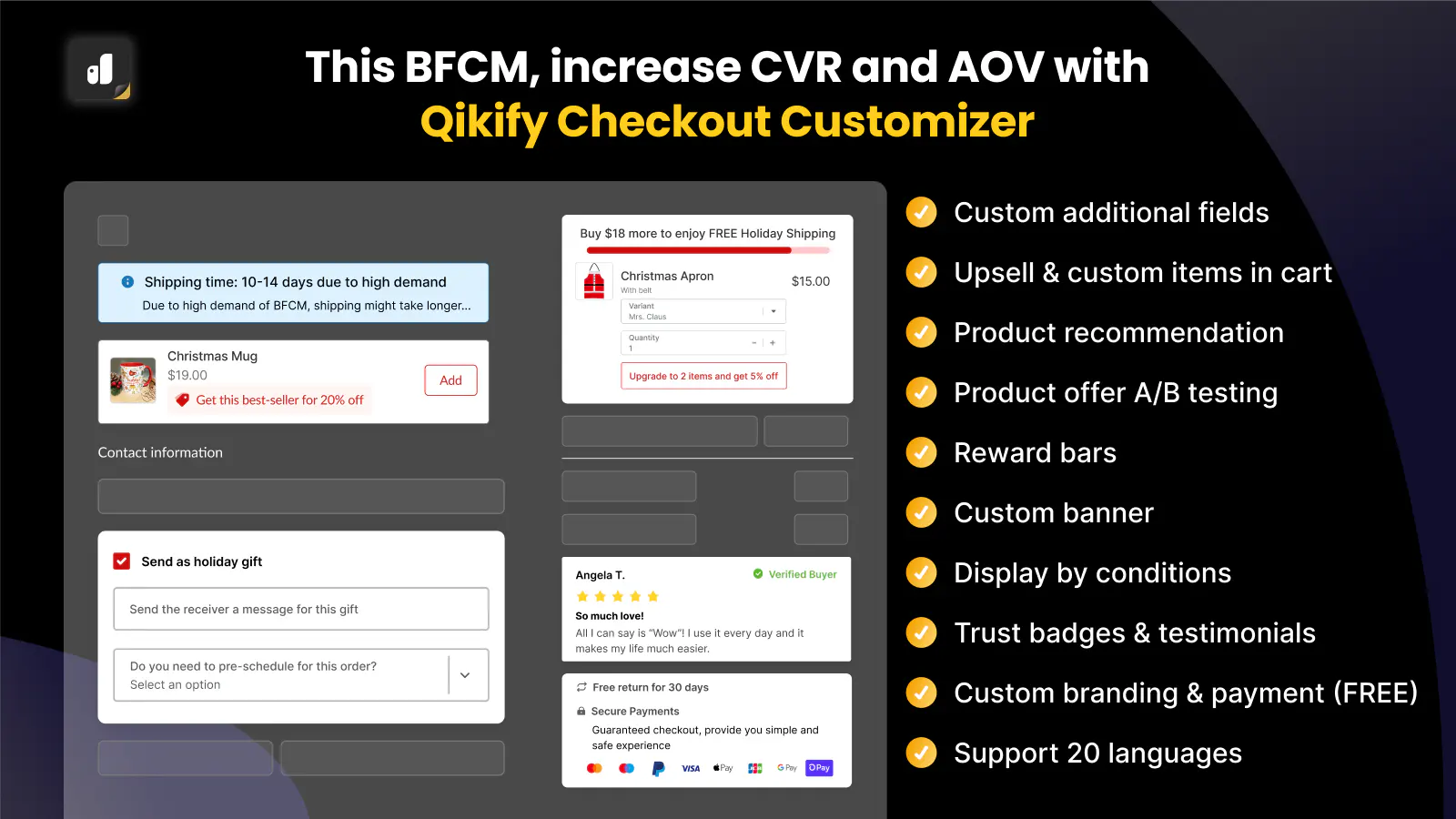
Think about the massive capital, creative bandwidth, and executive hours invested in scaling paid acquisition campaigns, perfecting search engine visibility, launching viral social initiatives, and capturing studio-grade product photography. Your growth engine successfully channels targeted, high-intent traffic to your storefront, sparks user intent, and motivates shoppers to build their carts—only for the entire transaction to dissolve at the final moment. This leaky bucket syndrome represents one of the most pressing and avoidable financial leaks facing modern digital brands today.
Leading retail benchmark studies reveal that global shopping cart abandonment holds steady at nearly 70%. In plain economic terms, out of every ten high-intent users who actively initiate a purchase flow, seven walk away without completing payment. This systemic drop-off underscores why checkout optimization stands as the single highest-leverage growth lever for modern e-commerce companies. Refining the transaction experience allows online merchants to recapture lost revenue streams immediately—boosting gross merchandise value (GMV) and return on ad spend (ROAS) without inflating marketing budgets or customer acquisition costs.
At its root, cart abandonment is caused by checkout friction. Unexpected secondary fees, mandatory account creation, tedious form field requirements, missing payment methods, doubtful security indicators, and clumsy mobile usability force buyers to hesitate right when they are ready to convert. By systematically re-engineering the checkout portal, online businesses can dismantle these operational bottlenecks, maximize baseline conversion rates, and engineer a seamless, high-velocity path to purchase.
1. Deconstructing the Psychology of Cart Abandonment
When a shopper transitions from a product display page into your checkout portal, their underlying mental framework changes instantly. They shift from an emotional product excitement state into a rational evaluation mode focused heavily on risk mitigation, cost verification, platform trust, and personal convenience.
E-Commerce Funnel Architecture:
Paid & Organic Traffic ➜ Product Selection ➜ High Purchase Intent ➜ Conversion Obstacles ➜ Lost Revenue
Critical Friction Points Disrupting Transactions
- Surprise Secondary Charges: Unanticipated shipping costs, handling surcharges, or hidden tax additions applied late in the flow trigger immediate price shock and force instant cart exits.
- Forced Account Registration: Demanding that first-time buyers create a permanent user profile and memorable password creates friction for shoppers seeking a quick, hassle-free transaction.
- Redundant & Complex Form Inputs: Excessive fields—such as duplicate billing/shipping inputs or mandatory landline numbers—increase typing fatigue, particularly on small mobile touchscreens.
- Inadequate Payment Variety: Lacking modern express digital wallets or preferred localized payment options halts transactions for customers who dislike typing physical credit card numbers.
- Perceived Security Vulnerabilities: Visual clutter, missing SSL security seals, unverified payment badges, or inconsistent domain branding create distrust regarding credit card data safety.
Individually, these friction points create minor friction and delay; collectively, they construct an insurmountable psychological barrier that turns highly qualified buyers away at the goal line.
2. Engineering a Frictionless Checkout Architecture
Elevating e-commerce conversion rates requires stripping away every non-essential form field, step, and distraction standing between buyer purchase intent and completed transaction.
Unlocking Growth with Guest Checkout Options
Enabling guest checkout is vital for captivating modern shoppers who value speed above all else. Rather than forcing users to register before buying, allow them to complete orders seamlessly using just their email address. Once the payment is successfully processed, invite them on the order confirmation thank-you page to save their details into an account with a single click. This simple strategic sequence protects conversion momentum while still capturing customer accounts.
Smart Form Optimization & Automation Techniques
- Data Minimization Standards: Audit every input line aggressively and prune redundant fields to make the checkout form visually compact and effortless.
- Address Predictive Auto-Complete: Implement address auto-complete APIs (such as Google Places) to auto-fill street details, reducing required keystrokes by up to 70%.
- ZIP/Postal Code Auto-Detection: Automatically populate city, state, and regional fields immediately upon postal code entry to streamline typing.
3. Total Price Transparency & Upfront Cost Display
Unexpected charges remain the single largest cause of shopping cart abandonment worldwide. Modern digital consumers demand complete price transparency, and hidden fees revealed late in the final step destroy brand credibility instantly.
To build immediate buyer confidence, e-commerce stores should calculate and present dynamic shipping estimates, localized taxes, and handling fees directly within the shopping cart drawer before the final checkout flow even initiates.
Transparent Cost Breakdown Example:
- Product Subtotal: $85.00
- Calculated Standard Shipping: $5.00
- Applicable Taxes & Fees: $6.80
- Net Total Payable: $96.80
Providing upfront financial clarity removes unpleasant surprises, giving shoppers complete clarity and confidence to finalize their purchase without hesitation.
4. Expanding Payment Options & Modern Digital Wallets
Consumer payment habits have transformed dramatically with the rise of mobile commerce. Restricting checkout payment options to manual credit card entries creates unnecessary friction that directly depresses total store revenue.
Forward-thinking e-commerce brands should curate modern payment solutions tailored directly to their target audience preferences:
- One-Touch Mobile Wallets: Integrate Apple Pay, Google Pay, and Shop Pay for instant biometric checkout authenticated via Touch ID or Face ID.
- Trusted Third-Party Portals: Offer familiar options like PayPal Express for shoppers who prefer keeping financial card data private from merchant servers.
- Flexible Payment Models (BNPL): Incorporate Buy Now, Pay Later platforms like Klarna, Affirm, or Afterpay to boost conversion rates on higher-ticket products.
The primary objective is not to flood the checkout page with dozens of payment processors, but to offer the preferred high-trust payment channels your target buyers rely on every day.
5. Optimizing the Mobile Checkout Journey
Mobile devices generate over 60% of global web traffic, yet mobile conversion rates consistently trail desktop performance. The physical effort required to type long credit card numbers and addresses on small touchscreens remains a major revenue bottleneck.
Mobile UX Optimization Standards
- Ergonomic Touch Targets: Design large, clear form inputs and touch-friendly buttons with ample spacing to prevent accidental mis-clicks.
- Adaptive Numeric Keypads: Configure form input HTML attributes so numeric keypads trigger automatically for card numbers, CVVs, and postal codes.
- Fixed Primary Calls-to-Action (CTAs): Pin sticky ‘Complete Order’ buttons to the bottom viewport so they remain continuously visible as users scroll.
Pairing mobile-optimized responsive layouts with one-touch digital wallets transforms a tedious data-entry task into a seamless 10-second checkout experience.
6. Instilling Trust & Security at Point of Purchase
Shoppers demand absolute security assurances before submitting sensitive personal and financial details online. Establishing trust at checkout is paramount because this is the exact moment where buyers take financial risk.
Key Trust & Reassurance Indicators
A sleek, modern design reinforces platform credibility. Retailers should display recognized security trust seals, clear money-back return policies, and live chat support options right alongside payment input fields.
- Visible SSL Certificates & Security Badges: Display trusted security seals near credit card entry fields.
- Hassle-Free Return Policies: Provide clear micro-copy detailing straightforward 30-day return policies and satisfaction guarantees.
- Unified Brand Identity: Maintain consistent company logos, custom typography, and color schemes across all checkout steps to avoid domain confusion.
7. Streamlining Flow: Single-Page vs. Accordion Layouts
Traditional multi-page checkouts force users through multiple screen reloads (Shipping ➜ Billing ➜ Order Review ➜ Payment). Every extra server load time creates unnecessary friction and an unnecessary opportunity for buyers to abandon.
Switching to a streamlined single-page checkout or a responsive accordion layout consolidates the entire purchasing process into one continuous view. Keeping order details, shipping inputs, and payment choices visible simultaneously gives users total clarity on their progress from start to finish.
8. Advanced Cart Recovery & Automated Re-Engagement
Even a perfectly optimized checkout experience won’t eliminate 100% of cart abandonments. Customers get interrupted by phone calls, lose internet connections, or simply need additional time to think.
Automated Multi-Channel Recovery Framework
- Targeted Email Recovery Sequences: Deploy an automated 3-part email campaign: a gentle reminder at 1 hour, customer review social proof at 24 hours, and a limited-time discount incentive at 48 hours.
- High-Engagement SMS Messaging: Send direct SMS cart recovery links to opted-in mobile shoppers for rapid, high-open-rate response.
- Smart Exit-Intent Popups: Detect cursor movement toward the close button and trigger an instant overlay offering to email the cart or claim a discount.
9. Elevating Customer Lifetime Value Post-Purchase
The e-commerce customer journey does not end when payment succeeds. The order confirmation thank-you page is a prime, high-trust touchpoint for boosting long-term customer value and brand loyalty.
By offering curated one-click post-purchase upsells—such as complementary product accessories, extended warranties, or VIP subscriptions—businesses can increase Average Order Value (AOV) without adding friction to the initial sale. Combined with proactive shipping tracking updates, exceptional post-purchase care drives high repeat purchase rates.
10. Measuring & Auditing Checkout KPIs
Checkout optimization must be driven by rigorous data analytics rather than subjective guesswork. E-commerce management teams must continuously monitor key metrics to track overall checkout health:
| Core Metric | Calculation Method | Strategic Business Value |
| Checkout Conversion Rate | (Completed Transactions / Checkout Starts) × 100 | Measures net transaction efficiency and friction-free flow performance. |
| Cart Abandonment Rate | (1 – (Completed Purchases / Carts Created)) × 100 | Tracks total high-intent traffic lost prior to final payment submission. |
| Average Order Value (AOV) | Total Store Revenue / Total Completed Orders | Evaluates whether UX improvements and upsells effectively increase overall cart sizes. |
Utilizing visual heatmaps, session replay recordings, and behavioral analytics allows digital growth teams to pinpoint exact form drop-off fields and execute continuous A/B split tests for compounding conversion gains.
A Practical Checkout Optimization Roadmap
Implement checkout improvements through a structured, multi-phase strategy for maximum execution efficiency:
- Phase 1: Discovery & Funnel Audit: Analyze drop-off analytics, heatmaps, and user session recordings to locate core conversion barriers.
- Phase 2: High-Impact Quick Wins: Enable guest checkout, integrate primary mobile wallets (Apple Pay/Google Pay), and remove unnecessary input fields.
- Phase 3: Deep UX & Technical Upgrades: Deploy address auto-complete, single-page accordion layouts, and upfront cost calculators.
- Phase 4: Continuous A/B Testing: Iterate on button text, trust badge placements, mobile micro-copy layouts, and automated cart recovery campaigns.
Conclusion: Turn Checkout Into Your Highest Growth Engine
Optimizing your checkout process goes far beyond simple visual tweaks—it is a high-return core business strategy to convert existing traffic into immediate revenue, eliminate cart abandonment, and maximize store profitability. When customers enjoy clear pricing transparency, effortless mobile wallets, concise forms, and robust security indicators, completing a purchase becomes completely effortless.
By removing checkout friction, online retailers maximize their marketing ROI, capturing substantial revenue that would otherwise slip away to competitors.
Scale Your E-Commerce Growth with US Studio:
At US Studio, we engineer high-converting digital products, custom e-commerce experiences, and revenue-focused UX solutions built for rapid growth. From complete storefront engineering and checkout UX optimization to mobile interface refinement and conversion rate architecture, US Studio turns casual visitors into lifelong customers. Ready to eliminate cart abandonment and unlock your store’s full revenue potential? Partner with US Studio today to request your custom checkout UX audit.