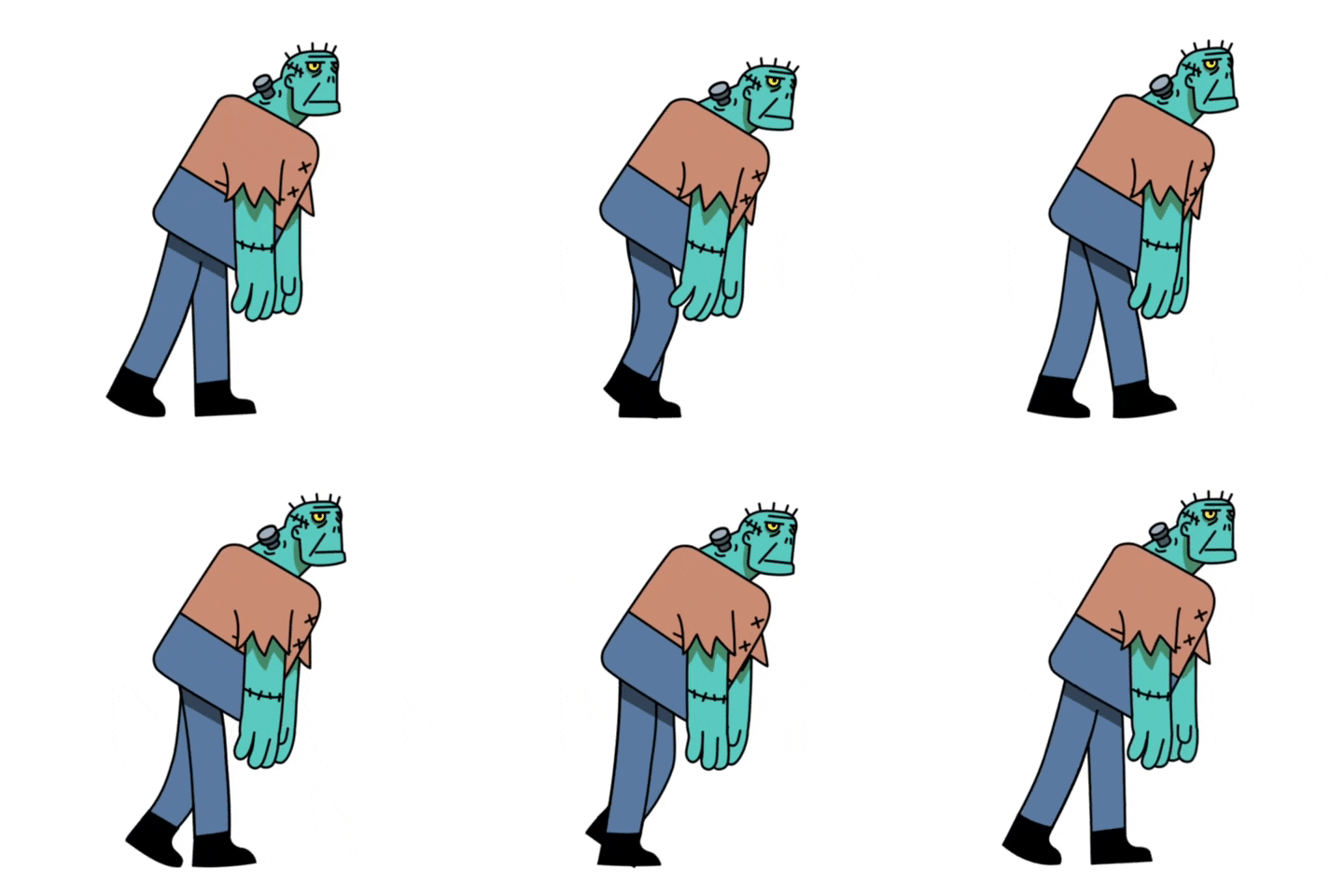
1. Creates Memorable Characters: Distinctive expressions, gestures, and movement can make characters easier for audiences to recognize and remember.
2. Adds Personality to Stories: Character-driven animation gives brands and narratives a more relatable way to communicate ideas.
3. Makes Messages More Engaging: Animated characters can guide viewers through concepts, scenarios, instructions, and stories in an approachable format.
4. Fits Different Content Styles: Character animation can support explainer videos, advertisements, educational content, social media campaigns, and branded storytelling.
CHARACTER ANIMATION FOLIO
Character animation gives businesses a distinctive storytelling medium where movement, expression, and personality work together to communicate a message. Businesses that have used character-driven animation benefit from more engaging storytelling, recognizable visual personalities, stronger audience connection, and versatile content for different platforms. Your business can use the same advantages to make its stories and messages more memorable.
We begin by understanding the story, audience, character personality, and intended visual style. Character concepts and expressions are developed first, followed by scene planning, movement, animation, timing, and final refinement to ensure the characters communicate naturally within the story.

Character animation involves creating movement and expressions for illustrated or digitally created characters, allowing them to act, communicate, interact, and contribute to a visual story.
2. What can character animation be used for?
3. Can character animation be designed around my brand?
Yes. Characters can be developed around your brand identity, visual style, colors, audience, personality, storyline, and communication objectives.
4. Can character animation be combined with other animation styles?
Yes. Character animation can be combined with 2D animation, motion graphics, kinetic typography, backgrounds, visual effects, and other animation techniques depending on the project’s requirements.